Silent Witnesses: Why UK Workforces Aren't Speaking Up When Compliance Failures Unfold

The Paradox of Protected Silence
Across British industry, a troubling pattern emerges during post-incident investigations: employees witnessed early warning signs of compliance failures, yet remained silent until regulatory breaches became unavoidable. This phenomenon persists despite strengthened whistleblowing protections under the Public Interest Disclosure Act and corporate policies encouraging internal reporting.
 Photo: Public Interest Disclosure Act, via alc.org.au
The disconnect between policy intention and workplace reality represents one of the most significant untapped resources in UK compliance management. Organisations invest substantial sums in external compliance audits whilst overlooking the intelligence network already embedded within their operations.
Fear Culture: The Invisible Barrier
Research conducted by the Financial Conduct Authority reveals that fewer than 12% of employees who observe potential compliance violations report their concerns through internal channels. The primary barrier isn't ignorance of reporting mechanisms, but fear of career consequences.
 Photo: Financial Conduct Authority, via c8.alamy.com
This fear operates on multiple levels. Senior managers may worry about appearing incompetent if problems surface in their departments. Middle managers fear being blamed for failures they inherited or lacked authority to address. Frontline employees worry about being labelled troublemakers or facing subtle retaliation.
The irony is palpable: organisations create anonymous reporting systems, then wonder why their culture doesn't encourage transparency.
Design Failures in Reporting Architecture
Many UK businesses treat internal reporting systems as compliance box-ticking exercises rather than strategic intelligence tools. Common design failures include:
Overcomplicated Processes: When reporting requires multiple forms, approvals, or lengthy procedures, employees abandon the effort. Effective systems prioritise simplicity over bureaucratic thoroughness.
Unclear Scope: Employees often struggle to distinguish between minor operational issues and genuine compliance concerns worthy of formal reporting. Without clear guidance, they default to silence rather than risk appearing petty.
Inadequate Feedback Mechanisms: When reports disappear into administrative black holes without acknowledgement or follow-up, employees conclude their input isn't valued.
Management Indifference: The Silent Killer
Perhaps the most damaging factor undermining internal reporting is management indifference to the intelligence received. When employees observe their concerns being dismissed, minimised, or buried in committee processes, word spreads quickly through informal networks.
This creates a vicious cycle: management complains about lack of visibility into operational issues whilst simultaneously demonstrating that employee input isn't genuinely welcomed.
Legal Obligations and Competitive Advantage
Under current UK legislation, businesses have clear obligations to protect whistleblowers from detriment. The Enterprise and Regulatory Reform Act 2013 extended these protections significantly, making individual managers personally liable for retaliation against protected disclosures.
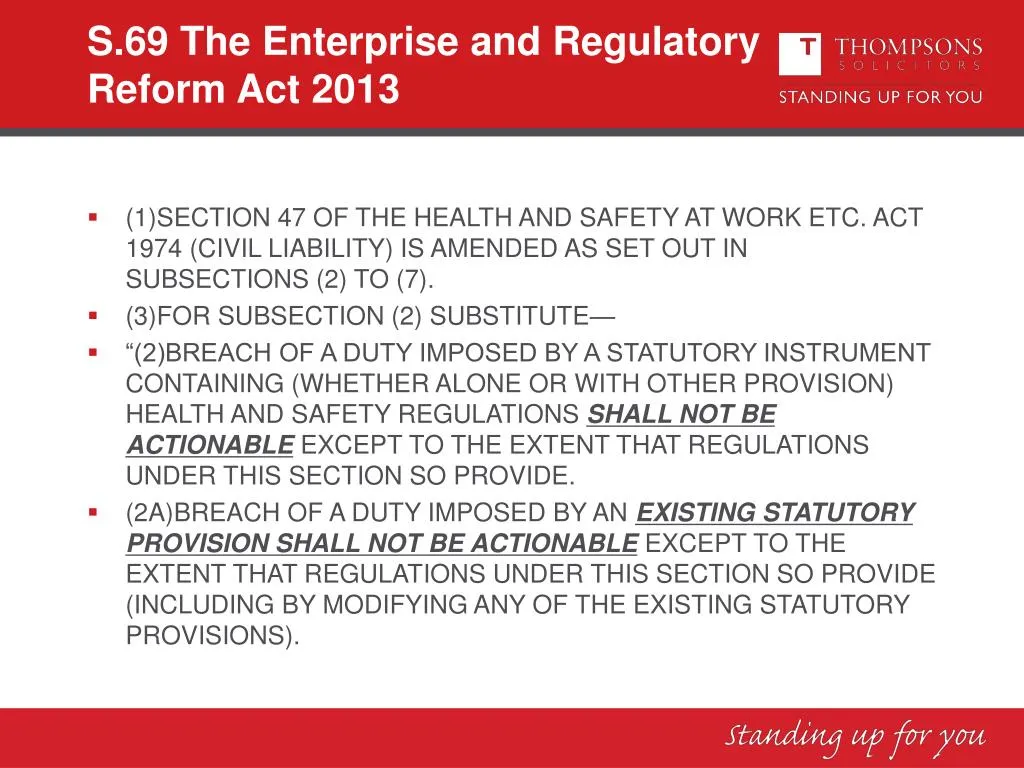 Photo: Enterprise and Regulatory Reform Act 2013, via image1.slideserve.com
However, legal compliance represents the minimum threshold, not best practice. Organisations that actively cultivate speak-up cultures gain substantial competitive advantages:
Early Warning Systems: Internal reports often surface problems months before they would be detected through formal audits or regulatory inspection.
Reduced Investigation Costs: Problems addressed early typically require less expensive remediation than those discovered during enforcement action.
Enhanced Regulatory Standing: Regulators view robust internal reporting systems favourably, often resulting in reduced penalties when violations do occur.
Transforming Tip Lines into Intelligence Networks
Successful internal reporting systems share several characteristics that distinguish them from ceremonial policies:
Multiple Access Points: Employees need various ways to raise concerns, from anonymous hotlines to direct supervisor discussions to ombudsman services.
Clear Protection Guarantees: Policies must explicitly state that good-faith reports will never result in disciplinary action, even when concerns prove unfounded.
Visible Leadership Commitment: When senior executives publicly acknowledge and act upon internal reports, they signal that employee input drives decision-making.
Measuring Success Beyond Report Volume
Many organisations mistakenly measure reporting system effectiveness by counting submissions. This approach misses critical qualitative factors:
Resolution Timeliness: How quickly are reported concerns investigated and addressed?
Communication Quality: Do reporters receive meaningful updates about investigation progress?
Cultural Indicators: Are employees comfortable discussing compliance concerns openly in team meetings?
Implementation Framework for UK Businesses
Transforming internal reporting from liability protection into competitive advantage requires systematic approach:
Assessment Phase: Audit current reporting mechanisms against employee feedback and utilisation data.
Design Phase: Simplify processes whilst strengthening protection guarantees and feedback loops.
Launch Phase: Communicate changes through multiple channels, emphasising leadership commitment to transparency.
Monitoring Phase: Track both quantitative metrics and qualitative cultural indicators.
The Path Forward
UK businesses cannot afford to waste the compliance intelligence their workforces possess. In an increasingly complex regulatory environment, organisations that successfully harness internal reporting gain significant advantages over competitors relying solely on external oversight.
The question isn't whether employees will observe compliance risks—they inevitably will. The question is whether businesses create environments where that intelligence reaches decision-makers whilst there's still time to act.