Calendar-Driven Compliance: The Predictable Failure Pattern Exposing UK Enterprises

The Annual Ritual That Creates Risk
Across the UK's industrial landscape, a dangerous ritual unfolds each year. Training coordinators dutifully schedule compliance refreshers based on calendar dates rather than operational necessity, creating what enforcement officers privately refer to as 'vulnerability windows' — predictable periods when businesses are most exposed to regulatory failure.
This calendar-driven approach to compliance education represents one of the most widespread yet unrecognised risks facing UK enterprises today. Whilst management teams congratulate themselves on maintaining 'current' certification, the reality is that their workforce may be operating with outdated knowledge for months at a time.
The Mismatch Between Regulations and Refreshers
Consider the manufacturing sector, where health and safety legislation undergoes continuous refinement. The Control of Substances Hazardous to Health Regulations 2002 (COSHH), for instance, sees regular updates to exposure limits and assessment requirements. Yet many businesses schedule COSHH training refreshers on the anniversary of previous sessions, regardless of when regulatory changes actually take effect.
 Photo: Control of Substances Hazardous to Health Regulations 2002, via mbosafetyservices.co.uk
This creates a fundamental disconnect between legal reality and workforce knowledge. An employee who received training in January may be operating under superseded guidance by October, simply because their next scheduled session isn't until the following January.
The consequences extend beyond individual competency gaps. When regulators investigate incidents, they examine not just whether training occurred, but whether it reflected current requirements at the time of the event. Calendar-based scheduling makes it virtually impossible to demonstrate this alignment.
The Equipment Evolution Problem
Modern workplaces compound this challenge through rapid technological advancement. Construction sites introduce new machinery, laboratories acquire updated equipment, and manufacturing facilities implement revised processes throughout the year. Yet training schedules often fail to accommodate these operational changes.
The Working at Height Regulations 2005 exemplify this issue. When scaffolding companies introduce new fall protection systems or access equipment, the associated training requirements change immediately. Waiting for the next scheduled refresher session leaves workers — and employers — legally exposed.
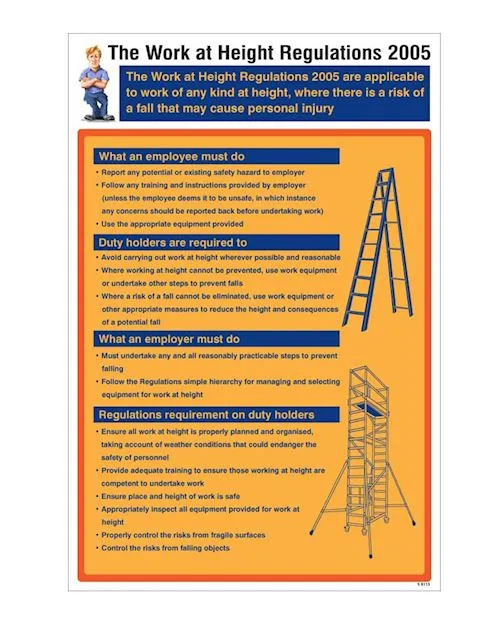 Photo: Working at Height Regulations 2005, via www.aspli.com
Regulatory guidance consistently emphasises that training must be 'suitable and sufficient' for current working conditions. Calendar-based approaches make this standard nearly impossible to maintain in dynamic operational environments.
Vulnerability Windows in Practice
Enforcement data reveals that regulatory violations cluster around specific timeframes, particularly the months preceding scheduled training refreshers. This pattern suggests that compliance deteriorates gradually as knowledge becomes outdated, reaching critical levels just before renewal.
The Health and Safety Executive's prosecution statistics show a marked increase in training-related citations during certain months, correlating with common anniversary dates for compliance programmes. This isn't coincidental — it reflects the systematic weaknesses inherent in calendar-driven approaches.
 Photo: Health and Safety Executive, via studyhub.org.uk
Businesses operating multiple sites face amplified risks when they synchronise training schedules across locations. A single anniversary date for company-wide refreshers creates organisation-wide vulnerability windows, effectively broadcasting their compliance weaknesses to any regulator conducting surveillance.
The Dynamic Alternative
Forward-thinking organisations are abandoning calendar-based training in favour of trigger-driven systems. These approaches link refresher requirements to actual events: regulatory changes, equipment modifications, incident patterns, or performance indicators.
Trigger-based scheduling requires more sophisticated planning but delivers significantly enhanced protection. When the HSE updates guidance on confined space entry, affected workers receive immediate retraining rather than waiting months for their next scheduled session.
This approach also enables more targeted resource allocation. Instead of training entire workforces simultaneously, organisations can focus on specific groups when relevant changes occur, improving both educational outcomes and cost efficiency.
Implementation Challenges and Solutions
Transitioning from calendar-driven to trigger-based compliance requires robust monitoring systems. Organisations must track regulatory developments, operational changes, and performance metrics to identify training triggers effectively.
Many UK businesses find that professional compliance monitoring services provide the most reliable foundation for trigger-based systems. These services track regulatory changes across multiple jurisdictions and provide timely alerts when training updates become necessary.
Internal systems should also monitor operational triggers: new equipment installations, process modifications, or incident patterns that indicate knowledge gaps. The key is establishing clear criteria for when refresher training becomes necessary, rather than relying on arbitrary anniversary dates.
The Regulator's Perspective
Enforcement officers increasingly scrutinise training schedules during inspections, looking for evidence of responsive rather than routine compliance approaches. They recognise that calendar-driven programmes often indicate box-ticking mentalities rather than genuine commitment to regulatory compliance.
Documentation that demonstrates trigger-based training decisions provides powerful evidence of proactive compliance management. When businesses can show that training schedules respond to actual risks rather than administrative convenience, regulators typically view this as evidence of competent management systems.
Strategic Compliance Architecture
The most effective compliance programmes integrate training schedules with broader risk management strategies. This means aligning refresher requirements with business cycles, operational planning, and regulatory monitoring rather than treating them as isolated administrative tasks.
Successful organisations establish compliance calendars that reflect their actual operating environment rather than arbitrary anniversary dates. This approach ensures that workforce knowledge remains current with both regulatory requirements and operational realities, providing genuine protection rather than superficial compliance.